
Alexander Otto is a German billionaire businessman best known for his leadership of the ECE Group, an international real estate and investment company specializing in shopping centers, commercial properties, and urban development. As a member of the prominent Otto family, he has built his career around real estate investment, property management, and the expansion of a multigenerational business empire. His professional achievements and family business interests have made him one of Germany’s most prominent property entrepreneurs.
Alexander Otto’s estimated net worth is approximately $6 billion in October 2026, according to recent billionaire wealth estimates. His fortune is associated primarily with real estate, his interests in the Otto family’s businesses, and investments connected to commercial property. However, calculating his exact personal wealth is difficult because many of the family’s businesses are privately held and their ownership structures are not fully disclosed publicly.
Understanding Alexander Otto net worth requires looking beyond a single financial estimate. His wealth is closely connected to the history of the Otto family, the growth of ECE Group, and the long-term value of real estate assets across Europe and other markets. His education at Harvard, entry into the family business in 1994, and leadership of ECE since 2000 have also played important roles in his professional development.
This article explores Alexander Otto’s net worth in 2026, his early life, education, family background, business career, investments, sources of income, personal life, philanthropic activities, and the factors that influence his financial position.
Table of Contents
Alexander Otto Net Worth in 2026

Alexander Otto’s estimated net worth in 2026 is approximately $6 billion, based on recent billionaire wealth tracking published in October 2026. This estimate places him among Germany’s wealthiest business figures and reflects his interests in real estate and family-owned enterprises.
When discussing Alexander Otto net worth, it is important to distinguish between an estimated personal fortune and the combined value of the businesses associated with his family. The Otto family has interests across retail, property, financial services, and other sectors. The total economic value of those businesses is not the same as the amount personally owned by Alexander Otto.
His fortune is also not equivalent to the annual revenue generated by the companies he leads. Revenue represents money generated through business operations before expenses and other financial considerations. Personal net worth, by contrast, represents the estimated value of assets attributable to an individual after accounting for relevant liabilities.
For wealthy entrepreneurs whose fortunes are tied to private companies and property portfolios, net worth estimates can vary significantly between publications. Analysts may use different assumptions about company valuations, ownership percentages, market prices, and other assets.
Estimated Net Worth Overview
| Category | Details |
|---|---|
| Estimated net worth | Approximately $6 billion |
| Reference period | October 2026 |
| Nationality | German |
| Birth date | July 7, 1967 |
| Age | 59 in 2026 |
| Main source of wealth | Real estate and family business interests |
| Primary business | ECE Group |
| Professional position | CEO of ECE Group |
| Education | Harvard College and Harvard Business School |
| Residence | Hamburg, Germany |
| Marital status | Married |
| Father | Werner Otto |
| Mother | Maren Otto |
These details provide a general overview of Alexander Otto’s financial and professional background. His precise net worth is not publicly established through a complete personal balance sheet, so the figure should be treated as an estimate rather than a confirmed amount of cash or readily available assets.
Why Alexander Otto Net Worth Estimates Differ
Different websites sometimes publish substantially different figures for the same businessperson. Alexander Otto is a good example because his financial interests include private businesses, property investments, and publicly traded securities.
Some estimates focus on the value of publicly reported shareholdings. Others attempt to calculate the value of his wider business interests and inherited assets. A stock-trading database may report the market value of securities connected with a particular executive, while a billionaire ranking may account for a broader portfolio of assets.
A reported stock portfolio worth hundreds of millions of dollars therefore does not necessarily establish an individual’s total wealth. It may represent only one identifiable part of a much larger financial position.
The most useful approach is to consider multiple credible estimates while examining what each one actually measures. For Alexander Otto net worth, recent billionaire rankings provide a broader picture than a calculation limited to individual stock transactions.
Who Is Alexander Otto?
Alexander Otto is a German businessman who leads ECE Group, a family-owned real estate and investment organization based in Hamburg. He is part of the Otto family, whose business history began with a mail-order company established by his father, Werner Otto, in the aftermath of World War II.
Unlike entrepreneurs who build their fortunes entirely through a newly established company, Alexander Otto developed his career within an established family enterprise. Nevertheless, his professional record includes significant responsibility for expanding and diversifying the family’s property business.
Under his leadership, ECE developed beyond its traditional association with shopping centers. The organization expanded its activities into additional property categories, including residential buildings, hotels, logistics facilities, offices, and real estate investment management.
His career demonstrates how a family business can develop through professional management, investment, and diversification across different property markets.
Alexander Otto is also involved in organizations connected with the Otto Group, real estate investments, and philanthropic projects. These responsibilities reflect his position within a business family whose interests extend beyond a single company.
Early Life and Family Background
Alexander Otto was born on July 7, 1967, in Hamburg, Germany. He grew up in the family of Werner Otto, an entrepreneur who established one of Germany’s most recognizable retail businesses.
His father founded the Otto mail-order company in Hamburg in 1949. What began as a catalog-based retail operation developed into a much larger business group with international operations and interests in multiple industries.
The growth of the family business created opportunities for later generations to participate in its management and ownership. However, involvement in a family enterprise also comes with responsibilities involving governance, investment decisions, long-term planning, and the preservation of business value.
Alexander Otto’s background exposed him to the business environment at an early stage. His later education and professional experience helped prepare him for executive leadership.
His mother is Maren Otto, Werner Otto’s third wife. His extended family includes several prominent figures connected with the Otto Group and other business interests.
The family’s financial position has developed over decades, meaning Alexander Otto net worth cannot be understood entirely through his individual salary or executive compensation. Ownership interests, family investments, and the long-term value of privately held businesses are also important considerations.
The Influence of Werner Otto
Werner Otto was the founder of the family’s retail empire and an important figure in German postwar entrepreneurship. Establishing his mail-order business in 1949, he helped build a company that eventually became an international retail and services group.
The original business relied on catalog shopping, allowing customers to order products without visiting conventional retail stores. This model became a foundation for the company’s later expansion into different forms of commerce.
Over time, the Otto business developed a broad portfolio of activities, including retail, e-commerce, logistics, and other services. Its evolution reflected changes in consumer behavior and the growing importance of technology in shopping.
Werner Otto also founded ECE in 1965, establishing the foundation for the family’s commercial property business. ECE later became an international real estate group with activities extending beyond shopping center development.
His business legacy influenced Alexander Otto’s career in two principal ways. First, it provided an established enterprise in which Alexander could develop his management skills. Second, it created a platform for further investment and expansion.
However, the family’s wealth is distributed across different individuals and business interests. The value associated with Werner Otto’s legacy should not automatically be treated as wealth personally owned by Alexander Otto.
Education and Academic Achievements
Alexander Otto received his education in the United Kingdom and the United States before entering the family business.
He attended St. Clare’s in Oxford and later studied at Harvard College, where he earned a bachelor’s degree in 1990. He subsequently completed an MBA at Harvard Business School in 1994, graduating with distinction.
His education provided a foundation in business, management, economics, and organizational decision-making. These areas are particularly relevant to commercial real estate, where executives must evaluate property acquisitions, financing structures, development costs, tenant demand, and investment returns.
An international education can also help business leaders understand markets beyond their home country. This perspective is valuable for companies that manage investments and properties across different legal systems and economic environments.
Alexander Otto joined ECE in 1994 after completing his MBA. His transition into the company marked the beginning of his professional career in the family business.
His academic qualifications do not directly determine Alexander Otto net worth, but they formed part of the preparation that supported his subsequent executive responsibilities.
Alexander Otto’s Career Journey
Alexander Otto’s career has centered on commercial property, real estate development, investment management, and the expansion of ECE Group.
He entered ECE in 1994 and became chairman of its management board in 2000. Since then, he has overseen the development of a company whose activities cover multiple property types and investment services.
His leadership has involved maintaining the company’s established shopping center operations while broadening its business model. This diversification has allowed ECE to participate in several segments of the real estate market.
Joining ECE in 1994
When Alexander Otto joined ECE, the company was already an established business created by his father. His early professional experience provided an opportunity to learn about the operations of a large property organization.
Commercial real estate requires knowledge of leasing, property maintenance, development, finance, tenant relationships, and market analysis. Executives must understand how these activities work together to create sustainable long-term value.
Joining the business after completing his education gave Alexander Otto an opportunity to apply academic knowledge in a practical setting.
His eventual appointment to a senior leadership position reflected his increasing responsibilities within the organization.
Becoming CEO in 2000
Alexander Otto became chairman of ECE’s management board in 2000. In this position, he assumed responsibility for the company’s overall strategic direction and development.
The commercial property industry has changed considerably during his leadership. Shopping centers have faced changing consumer preferences, increased competition from online retail, new expectations for entertainment and dining, and greater attention to energy efficiency.
Property companies have responded by investing in more varied tenant mixes, improved customer experiences, mixed-use development, and modern asset management.
ECE’s broader activities reflect this changing environment. Its business now includes real estate development and management across several property categories, as well as investment and fund management services.
This development is an important part of the story behind Alexander Otto net worth because the value of a real estate business depends partly on its ability to adapt to changing economic conditions.
Expanding Beyond Shopping Centers
ECE became known for its shopping center expertise, but the organization subsequently expanded into additional real estate sectors.
Its activities include residential property, hotels, logistics facilities, office buildings, and investment management. These areas serve different customer groups and respond to different economic trends.
Residential property, for example, is influenced by housing demand, rents, population trends, financing costs, and construction expenses. Logistics facilities are affected by supply chains, warehouse demand, and the growth of e-commerce. Office buildings depend on employment patterns, business demand, location, and changing workplace arrangements.
Diversification allows a real estate organization to pursue opportunities in several markets instead of relying exclusively on one type of asset.
However, diversification does not eliminate investment risk. Each property category has its own challenges, and performance can vary depending on economic conditions, interest rates, and tenant demand.
What Is ECE Group?
ECE Group is a family-owned real estate and investment organization founded by Werner Otto in 1965. Based in Hamburg, Germany, the company develops, realizes, manages, and invests in property across multiple asset classes.
Under Alexander Otto’s leadership, ECE has evolved into an internationally active real estate group. Its operations include specialized businesses responsible for different parts of the property investment and development process.
The organization combines property expertise with services designed to help investors and clients manage real estate assets over the long term.
ECE Marketplaces
ECE Marketplaces focuses on shopping center-related activities. Shopping centers bring together retailers, restaurants, entertainment businesses, and other services within a shared commercial environment.
Managing these properties requires coordination between landlords and tenants, maintenance teams, marketing departments, and customer-facing services.
Shopping center operators must also respond to changes in consumer habits. Online shopping has reduced demand for certain traditional retail formats, while demand for dining, leisure, and experience-based activities can create new opportunities.
The performance of shopping centers therefore depends on more than the physical value of the buildings. Tenant quality, occupancy, location, customer traffic, and operating costs can all influence financial results.
ECE Work & Live
ECE Work & Live operates in property categories that include residential, hotel, logistics, and office developments.
These assets have different investment characteristics. Residential buildings can generate rental income from households, while hotels depend on travel demand, room occupancy, and hospitality operations.
Logistics properties serve businesses that require storage, distribution, and supply-chain facilities. Offices provide space for companies and organizations, although demand can fluctuate with employment patterns and workplace arrangements.
Participation in these sectors allows ECE to pursue opportunities beyond traditional retail property.
ECE Real Estate Partners
ECE Real Estate Partners focuses on real estate investment and fund management. Such activities can involve structuring investment opportunities, managing portfolios, and working with institutional or professional investors.
Real estate investment management differs from simply owning and operating a building. Investment managers must consider acquisition prices, financing, expected rental income, operating expenses, exit strategies, and the needs of investors.
These activities can create management and investment-related income, although actual returns depend on the performance of the relevant assets and investment structures.
ECE Living
ECE Living is associated with residential investment and development, including new residential districts and projects involving national and international investors.
Housing demand, construction costs, financing conditions, and local planning regulations all influence the performance of residential developments.
By participating in this segment, ECE can access opportunities connected with long-term housing demand and urban development.
Why ECE Matters to Alexander Otto Net Worth
ECE is central to Alexander Otto’s professional identity and an important part of his financial background.
As CEO and a member of the owning family, he leads an organization whose business activities extend across different real estate markets. His financial interests are therefore connected to the long-term success and valuation of the wider family-owned enterprise.
Nevertheless, ECE’s total assets, managed assets, revenue, and investment commitments should not be treated as Alexander Otto’s personal wealth.
A company can manage assets belonging to clients or investors without owning all those assets itself. Similarly, a building’s market value is not equivalent to its owner’s net equity because financing and other obligations may reduce the amount of equity attributable to the owner.
These distinctions are essential when assessing Alexander Otto net worth accurately.
The Otto Group and the Family Business Empire
The Otto Group is the broader family business associated with Werner Otto’s original mail-order enterprise. It developed into an international retail and services group with activities that include e-commerce, retail, logistics, and other business operations.
The group is distinct from ECE, even though both businesses are connected with the Otto family.
Alexander Otto holds an interest in the Otto Group and participates in its governance. His responsibilities at ECE are more directly connected to real estate, while the Otto Group has a broader retail and services focus.
The family business structure means that wealth is distributed across different individuals, companies, and investment vehicles.
The Evolution of the Otto Group
The original Otto business began with catalog retail in 1949. Over subsequent decades, it expanded its product range and developed new distribution methods.
As consumer behavior changed, the company invested in different retail formats and digital commerce. Its business model evolved alongside improvements in logistics, online ordering, and customer service.
This history illustrates how a traditional retail company can adapt to technological and economic change.
The Otto Group’s long-term development has contributed to the family’s business standing, but its overall financial scale should not be confused with the personal fortune of any one family member.
The Difference Between Otto Group and ECE
Although both organizations belong to the Otto family’s business network, they have different primary activities.
The Otto Group is associated mainly with retail, e-commerce, and related services. ECE specializes in real estate development, property management, and investment activities.
Their financial performance depends on different factors. Retail businesses are influenced by consumer spending, product margins, competition, and logistics. Property companies depend more directly on rental income, property values, occupancy, financing costs, and development activity.
This distinction helps explain why Alexander Otto’s career is associated particularly with real estate rather than solely with the family’s retail operations.
Alexander Otto’s Sources of Wealth
Alexander Otto’s fortune is generally associated with real estate, business ownership, and investments connected with the Otto family.
His wealth cannot be explained through a single income stream. Instead, it reflects the potential value of ownership interests accumulated through family business participation and long-term investment.
Real Estate Ownership and Investment
Real estate is a major source of wealth for many long-established business families. Commercial property can generate recurring rental income while also appreciating in value over time.
The financial performance of a property depends on its location, condition, tenant base, rental agreements, financing, and maintenance requirements.
A shopping center in a strong commercial location may attract a wide range of tenants and generate stable rental income. However, changing shopping habits or rising operating costs can weaken performance.
For investors with interests in multiple properties, diversification can reduce reliance on any single building or tenant. It does not, however, eliminate broader risks affecting the property market.
Real estate investment is therefore a major consideration when examining Alexander Otto net worth.
Ownership Interests in Family Businesses
Ownership stakes can represent a substantial portion of an entrepreneur’s wealth.
An individual who owns shares in a profitable private company may benefit from long-term increases in its value, even if the individual does not receive an equivalent amount of cash each year.
The value of a private business can be difficult to determine because its shares may not trade regularly on a public exchange.
In Alexander Otto’s case, his interests in the family business network contribute to the complexity of estimating his fortune.
Investment and Asset Management
ECE’s activities include real estate investment and fund management. These operations involve evaluating assets, structuring investments, and managing portfolios on behalf of different parties.
Business income may arise from management services, development work, leasing, or other activities. The precise contribution of each activity to Alexander Otto’s personal wealth is not publicly established.
It is important not to assume that all revenue generated by a company flows directly to its CEO or shareholders as personal income.
Long-Term Capital Appreciation
Capital appreciation occurs when an asset increases in value over time. Property values can rise because of stronger rental income, improved infrastructure, increased demand, redevelopment, or changes in market conditions.
For long-term owners, appreciation can be a significant contributor to wealth.
However, real estate values can also fall. Higher interest rates, weaker tenant demand, economic downturns, and costly renovations can reduce the market value of properties.
Alexander Otto’s financial position is therefore connected not only to business operations but also to broader property market conditions.
Alexander Otto and Publicly Traded Stocks
Some financial websites track transactions involving shares held by executives and other company insiders. These records can provide useful information about specific public investments, but they must be interpreted carefully.
The competitor material supplied for this article reports transactions associated with Alexander Otto and securities identified by the ticker CURB. It also provides an estimate based on the market value of certain shares.
Such information should be treated as a separate measure from the broader billionaire wealth estimates discussed earlier.
Understanding Stock-Based Wealth Estimates
Publicly traded shares have observable market prices. Multiplying the number of shares by the relevant share price can produce an estimated market value for a reported holding.
However, this calculation does not automatically include private company interests, real estate investments, other securities, cash, or liabilities.
A stock portfolio may be a meaningful part of someone’s assets without representing the person’s complete financial position.
Similarly, selling shares does not necessarily mean that the proceeds become additional wealth on top of the shares’ original value. The transaction converts one asset into cash or another asset, and the effect on net worth depends on the sale price, taxes, fees, and subsequent use of the proceeds.
Why Insider Transactions Need Context
Insider trading disclosures can show when executives or other insiders purchase or sell shares in public companies. Such transactions may occur for several reasons, including personal financial planning, portfolio diversification, tax obligations, or transactions under established trading arrangements.
A sale alone does not prove that an executive has lost confidence in a business. Likewise, a purchase does not guarantee that a stock will rise.
When examining Alexander Otto net worth, reported stock transactions are best viewed as one part of a larger financial picture rather than a substitute for a complete wealth assessment.
Investments in Commercial Property
Commercial property has played a central role in Alexander Otto’s professional career. Through ECE and related business interests, he has worked in an industry where long-term investment, property management, and tenant relationships are critical.
Commercial real estate includes shopping centers, offices, hotels, warehouses, and other properties used by businesses.
Each asset class has its own economic drivers, which can create opportunities for investment diversification.
Shopping Centers
Shopping centers generate income through leases and other commercial arrangements. Their performance depends on location, tenant demand, occupancy, rental rates, and operating expenses.
Modern shopping centers often combine retail with restaurants, entertainment, services, and other activities designed to attract visitors.
Successful centers must adapt to changing consumer preferences. Properties that fail to respond to competition or changing demand may experience declining occupancy or reduced rental income.
Office Buildings
Office properties can provide recurring rental income, but their performance depends on business demand and the attractiveness of their locations.
Changes in remote work, corporate space requirements, and building efficiency can influence demand.
Modern office investments may require significant spending on renovation, energy efficiency, and amenities to remain competitive.
Residential Developments
Residential properties can provide rental income and opportunities for long-term appreciation.
However, housing investments are affected by construction costs, interest rates, local regulation, demographic trends, and household affordability.
Residential development can also involve substantial upfront capital and long project timelines.
Logistics and Industrial Property
Logistics facilities support storage, distribution, and supply-chain operations.
Demand for these properties can be influenced by e-commerce, manufacturing, transportation networks, and businesses’ inventory requirements.
Investors must still account for location, tenant concentration, building specifications, and the cost of maintaining or adapting industrial facilities.
Alexander Otto’s Family and Personal Life
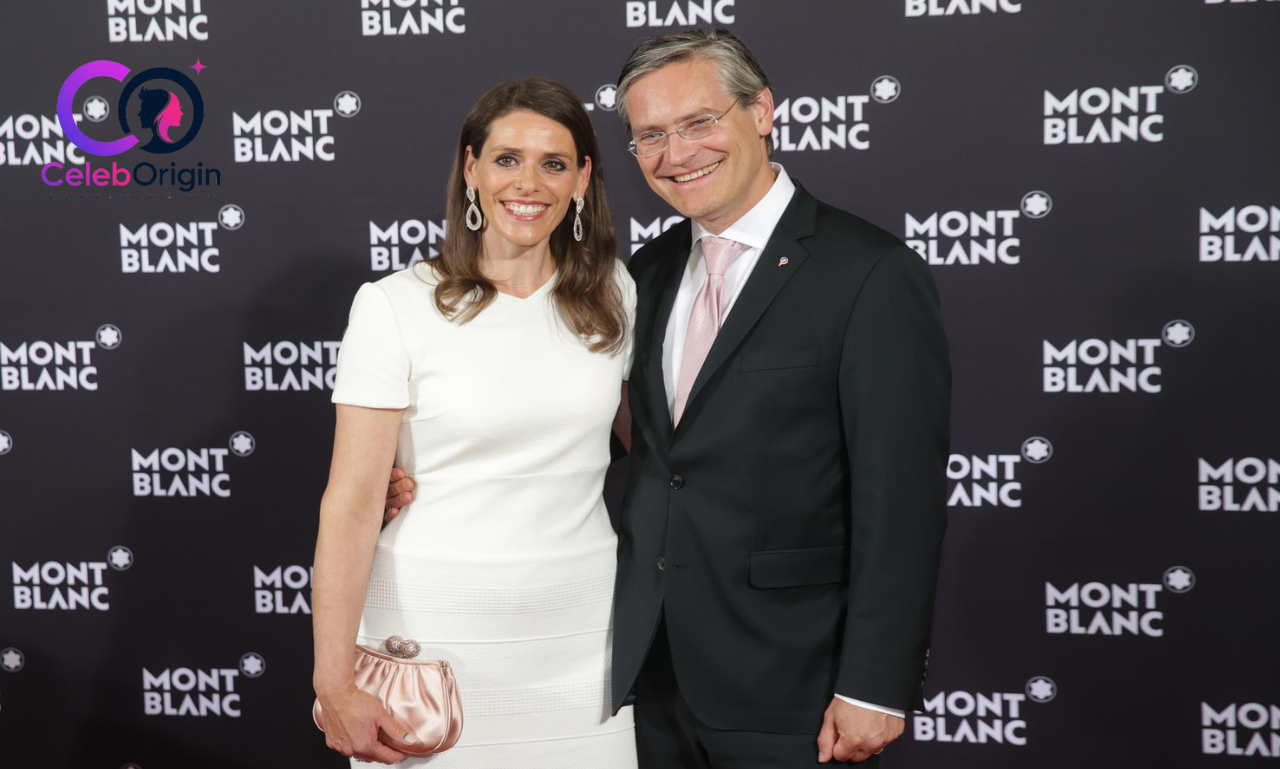
Alexander Otto keeps much of his personal life outside the public spotlight. Public biographical sources identify him as married and associate his residence with Hamburg, Germany.
He is married to Dorit Otto, with whom he has also established philanthropic initiatives. Publicly available business biographies focus primarily on his career and charitable work rather than extensive details about his household.
His Father, Werner Otto
Werner Otto was the founder of the Otto mail-order business and ECE. His entrepreneurial career established the foundation for the family’s later involvement in retail and commercial property.
His business legacy remains important to understanding the origins of the Otto family’s wealth.
His Mother, Maren Otto
Maren Otto is the widow of Werner Otto and a member of the family associated with the Otto Group and ECE.
Public wealth profiles have also identified her as a shareholder in family business interests. Her financial position is distinct from Alexander Otto’s personal fortune, even where the family’s investment interests overlap.
His Siblings and Extended Family
Alexander Otto’s extended family includes Michael Otto and Katharina Otto-Bernstein, among other relatives.
Michael Otto is a prominent figure in the family’s retail business history, having led the Otto Group for many years. Katharina Otto-Bernstein is known for her work in filmmaking.
The family members have different professional roles and individual financial interests. Their fortunes should not be combined when describing Alexander Otto net worth unless a source explicitly identifies a shared asset or ownership structure.
Does Alexander Otto Have Children?
Reliable public profiles do not consistently provide detailed information about Alexander Otto’s children. It is therefore better not to publish unverified personal details or assume information that has not been established through credible public sources.
A responsible biography should distinguish confirmed information from details that remain private.
Alexander Otto’s Lifestyle and Assets
Alexander Otto’s estimated fortune places him among Germany’s wealthiest individuals. Nevertheless, publicly available information does not provide a complete inventory of his personal assets, residences, vehicles, or other luxury possessions.
His professional life is associated with Hamburg and the international real estate industry. His wealth is believed to be connected primarily with business ownership and investments rather than a publicly documented collection of luxury goods.
Real Estate as a Wealth Asset
For a property entrepreneur, real estate investments may be more financially significant than personal residences or luxury purchases.
Commercial properties can generate recurring income, while development projects may create value through planning, construction, leasing, and eventual sale.
However, it is not appropriate to assume that every property associated with ECE is personally owned by Alexander Otto. A company may manage assets belonging to investors, joint ventures, or other legal entities.
Personal Spending and Public Information
Details about private spending are limited. There is no comprehensive public record establishing his annual personal expenditure, complete vehicle collection, or total value of privately used residences.
Consequently, claims about specific luxury purchases should be included only when reliable documentation is available.
For an accurate financial profile, the emphasis should remain on verifiable business interests, ownership structures, and publicly reported wealth estimates.
Philanthropy and Social Contributions
Alexander Otto is also associated with philanthropic activities, particularly projects connected with sports, urban development, medicine, and culture.
His charitable work demonstrates that the family’s activities extend beyond commercial investment.
Alexander Otto Sport Foundation
The Alexander Otto Sport Foundation supports sports initiatives, particularly youth and disability sports in Hamburg.
Its activities have included support for sports facilities and programs designed to improve access to athletic opportunities.
Sports foundations can contribute to communities by helping organizations maintain facilities, support young athletes, and provide inclusive recreational opportunities.
Dorit and Alexander Otto Foundation
The Dorit and Alexander Otto Foundation supports medical and cultural initiatives.
Among its publicly documented activities is support connected with the modernization of the Hamburger Kunsthalle, a major art museum in Hamburg.
Cultural institutions often rely on donations and partnerships to maintain collections, improve facilities, and expand public access to exhibitions.
Lebendige Stadt Foundation
Alexander Otto initiated the Lebendige Stadt Foundation, which focuses on revitalizing European city centers.
Urban revitalization can involve improving public spaces, supporting cultural activities, and making city centers more attractive places to live, work, and visit.
These initiatives connect with his professional interest in real estate and urban development, although charitable objectives are distinct from commercial investment goals.
Philanthropy and Net Worth
Charitable giving can affect an individual’s financial position, depending on the amount donated and the structure of the donation.
However, there is insufficient public information to calculate how much philanthropy has changed Alexander Otto’s net worth.
His charitable activities are best understood as part of his broader public and professional profile rather than as a precise measure of his wealth.
How Alexander Otto Built His Business Legacy
Alexander Otto’s career reflects the interaction between inherited business opportunities and active executive leadership.
He entered a family enterprise with an established history, but he also took responsibility for guiding ECE through decades of change in the real estate industry.
His leadership has involved diversification, international activity, and the development of additional property and investment services.
Building on an Established Foundation
The Otto family’s business history gave Alexander access to an established organization, an experienced workforce, and a network of business relationships.
These advantages can support growth, but they also require careful management. Established companies must adapt to new competitors, changing regulations, financing conditions, and shifts in customer demand.
Adapting to Changing Markets
The real estate industry has experienced major changes involving technology, sustainability, consumer behavior, and financing.
Shopping centers have had to compete with online retail, while offices and residential buildings have responded to changing demand and expectations.
A company that successfully adapts may preserve the value of its assets and identify new investment opportunities.
However, the results of any particular strategy depend on market conditions and execution.
Expanding Investment Activities
ECE’s development into a broader real estate and investment group illustrates an effort to serve different property markets.
This broader approach can provide access to a wider range of opportunities, although it also introduces new operational and investment risks.
For Alexander Otto, these activities form an important part of the professional story behind his estimated wealth.
Challenges That Could Affect Alexander Otto Net Worth
Even substantial fortunes can fluctuate. Alexander Otto’s financial position is linked to real estate values, the performance of family businesses, and broader economic conditions.
Interest Rates and Financing Costs
Real estate is often financed through a combination of equity and borrowing.
When interest rates rise, refinancing debt can become more expensive, potentially reducing investment returns and property valuations.
Higher financing costs can also make new developments less attractive.
Changes in Property Demand
The demand for shopping centers, offices, hotels, housing, and logistics facilities can change over time.
Economic downturns may reduce consumer spending, weaken rental demand, or increase vacancies. Shifts in how businesses operate can also affect the attractiveness of particular buildings.
Construction and Operating Expenses
Property development requires substantial spending on land, construction, maintenance, insurance, energy, and compliance.
Unexpected cost increases can reduce the profitability of projects.
Existing buildings may also require investment to meet modern energy standards or changing tenant expectations.
Private Company Valuations
Because important parts of the Otto family’s business network are privately held, estimating the value of ownership interests can be difficult.
Private company valuations may depend on financial performance, comparable transactions, expected growth, and assumptions about future cash flow.
Different analysts can therefore arrive at different estimates of Alexander Otto net worth without necessarily using identical methods.
Alexander Otto Net Worth Compared With Other Otto Family Members
The Otto family includes several wealthy individuals whose fortunes are connected with different business interests.
Alexander Otto’s estimated fortune is primarily associated with real estate and family business ownership. Other family members have held leadership positions in the Otto Group or maintained interests in other parts of the family enterprise.
Comparisons between relatives require care because wealth rankings may use different valuation dates and methods.
A family’s combined economic influence can be considerable, but it does not mean every member owns an equal share of its assets.
For this reason, Alexander Otto net worth should be evaluated as an individual estimate rather than a figure that includes the entire Otto family’s wealth.
Related Articles
If you enjoyed learning about, Alexander Otto Net Worth you may also want to check out our article on Alexander Knauf Net Worth and Alexander Gerko Net Worth to discover more about another personality’s net worth, career, biography, lifestyle, and personal journey.
As CelebOrigin expands its celebrity and public-figure coverage, related net-worth profiles can also help readers explore how different personalities built their careers, businesses and wealth
Frequently Asked Questions About Alexander Otto Net Worth
What Is Alexander Otto Net Worth in 2026?
Alexander Otto’s estimated net worth is approximately $6 billion in October 2026, according to recent billionaire wealth tracking. The figure is an estimate, not an audited statement of his personal assets and liabilities.
How Did Alexander Otto Make His Money?
His wealth is associated primarily with real estate and ownership interests in the Otto family’s businesses. He leads ECE Group, a company active in property development, shopping center management, and real estate investment.
Who Is Alexander Otto’s Father?
His father was Werner Otto, the entrepreneur who founded the Otto mail-order business in 1949 and established ECE in 1965.
How Old Is Alexander Otto?
Alexander Otto was born on July 7, 1967. He is 59 years old in October 2026.
Where Does Alexander Otto Live?
Public biographical profiles associate him with Hamburg, Germany.
What Does Alexander Otto Do?
He is the CEO of ECE Group, an international real estate and investment organization. He is also involved in the governance of businesses associated with the Otto family.
What Is ECE Group?
ECE Group is a family-owned real estate and investment company founded by Werner Otto. It operates across several property categories, including shopping centers, residential developments, hotels, logistics facilities, offices, and investment management.
Did Alexander Otto Inherit His Wealth?
His financial position is connected with a family business established by his father. However, his overall fortune also reflects business ownership, investment interests, and his leadership of ECE. The precise division between inherited wealth and subsequent changes in asset values is not publicly established.
Why Do Alexander Otto Net Worth Estimates Differ?
Different estimates may use different valuation dates and methods. Some focus on publicly traded shares, while others attempt to estimate private company ownership and broader investment interests. The estimates may therefore represent different portions of an individual’s financial position.
Is Alexander Otto a Billionaire?
Yes. Recent billionaire wealth estimates place him among the world’s billionaires, with an estimated fortune of approximately $6 billion in October 2026.
Is Alexander Otto Related to Michael Otto?
Yes. Michael Otto is his brother and a prominent figure in the Otto family’s retail business history.
What Is Alexander Otto’s Main Source of Wealth?
Real estate is the principal source of wealth identified in public billionaire profiles. His position at ECE Group and his interests in the family business network are central to his financial background.
Conclusion
Alexander Otto has established himself as a prominent figure in European commercial real estate through his leadership of ECE Group and his participation in the Otto family’s business network. Born in Hamburg in 1967, he studied at Harvard College and Harvard Business School before joining ECE in 1994 and becoming its chief executive in 2000.
Alexander Otto net worth is estimated at approximately $6 billion in 2026, although the exact figure remains uncertain because much of his wealth is associated with private businesses and investments that are difficult to value precisely. His fortune should not be confused with the combined wealth of the Otto family, the total assets managed by ECE, or the value of any individual publicly traded shareholding.
His professional record reflects both the advantages of a multigenerational business background and the responsibilities of managing a large real estate organization in a changing market. Through ECE, he has overseen activities extending from shopping centers into residential, hotel, logistics, office, and investment management businesses.
Beyond business, his charitable activities include support for sports, cultural institutions, and urban revitalization. These initiatives form another part of his public profile.
For readers researching Alexander Otto net worth, the key takeaway is that his financial position is best understood through the combination of family business interests, real estate investment, executive leadership, and long-term asset values—not through a single stock transaction or an unverified figure.
If you enjoyed learning about Alexander Otto, you may also want to explore our articles on other prominent billionaires and business leaders to discover more about their net worth, careers, family backgrounds, and sources of wealth on CelebOrigin.

Mason Khan is the founder and writer behind CelebOrigin, a website dedicated to celebrity net worth, biographies, careers, lifestyles, and financial profiles. Through CelebOrigin, Mason researches publicly available information about celebrities, billionaires, and other notable personalities to create informative and easy-to-understand profiles.
His goal is to make information about well-known personalities more accessible by bringing together details about their careers, achievements, net worth, lifestyle, and professional journeys in one place.
Mason focuses on presenting information in a clear and reader-friendly way while using publicly available sources and regularly updating articles when new information becomes available.
— Mason KhanFounder & Writer, CelebOrigin